

close
Choose Your Site
Global
Social Media


Views: 0 Author: Site Editor Publish Time: 2026-06-05 Origin: Site


Managing complex wastewater facilities requires robust and reliable infrastructure. Plant engineers and facility managers frequently battle unpredictable throughput declines and sudden pressure spikes. Operating flat sheet membrane water treatment systems at peak efficiency requires balancing high throughput against long-term component longevity. Unchecked operational challenges directly inflate operational expenses. They drive up energy consumption, force heavy chemical usage, and inevitably cause premature system failure. You cannot rely on reactive fixes to maintain facility compliance. You need a realistic, evidence-based troubleshooting framework. We designed this guide to help you systematically diagnose common failures and optimize your current assets. You will learn practical methods to stabilize your operation. Furthermore, we will help you determine the exact threshold for component replacement. This approach protects your budget and ensures consistent effluent quality.
Fouling is inevitable, but manageable: Differentiating between reversible (biological/organic) and irreversible (chemical scaling) fouling is the first step in cost-control.
Aeration dictates lifespan: Poor scouring velocity is the leading cause of physical sludge clogging in flat sheet configurations.
Data drives replacement decisions: Transmembrane pressure (TMP) and permeability baseline tracking provide objective triggers for when chemical recovery is no longer viable.
Component strategy matters: Upgrading specific modules or elements often yields higher ROI than overhauling the entire biological treatment infrastructure.
Unresolved technical challenges quickly escalate your operational expenditure. They also introduce severe compliance risks. Poorly maintained filtration setups restrict liquid flow. This restriction forces system components to work much harder to achieve the same output. You face a domino effect of compounding inefficiencies. When operators ignore early warning signs, minor issues evolve into catastrophic failures. These failures trigger expensive emergency maintenance and potential permit violations. You must view membrane health as a direct driver of your facility's financial performance.
We see a direct correlation between rising Transmembrane Pressure (TMP) and energy demands. Suction pumps and aeration blowers consume the majority of plant power. As pore blockages occur, TMP steadily climbs. Your pumps must draw more power to pull water across the barrier. Simultaneously, operators often increase blower output to combat sludge build-up. This combined energy escalation drains budgets quickly. A simple ten percent increase in operating TMP can drastically inflate monthly utility bills. You cannot sustain profitable operations under these conditions.
Frequent Clean-In-Place (CIP) cycles hide massive operational costs. Increased CIP frequency demands higher volumes of expensive cleaning agents. You also incur hidden labor costs. Technicians must physically monitor dosing, handle hazardous materials, and oversee recovery cycles. Excessive cleaning forces unnecessary system downtime. This downtime halts water production and disrupts facility workflows. Over-cleaning also degrades polymer structures prematurely. We routinely see plants replacing components years earlier than necessary due to aggressive, poorly timed chemical regimens.
You must define a stable operation baseline to measure success. We recommend establishing strict success criteria across three primary metrics.
Target Flux Rate: Maintain a consistent liters-per-square-meter-per-hour (LMH) output.
Acceptable TMP Range: Keep operating pressures within the manufacturer's specified safe zone.
Effluent Compliance: Ensure continuous adherence to local discharge standards regarding turbidity and biological oxygen demand.
Hitting these targets daily confirms your maintenance strategy works. It proves you have balanced throughput with structural longevity.
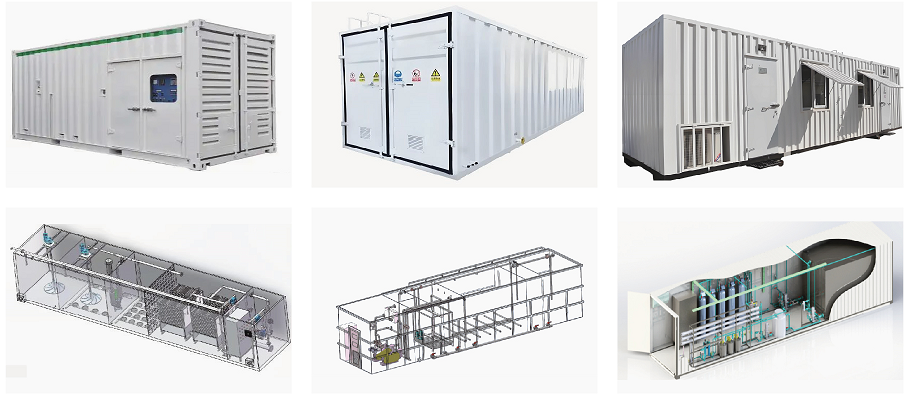
Moving away from reactive cleaning is essential for long-term stability. We recommend utilizing root-cause fault tree analysis. Industry experts often refer to this process as a "membrane autopsy." This approach helps you identify the exact failure mechanisms. You stop treating the symptoms and start curing the underlying disease. water treatment membranes inevitably encounter various fouling types. You must differentiate between these types quickly. Accurate diagnosis prevents you from applying the wrong chemical treatments. It also saves considerable time and resources.
Biological fouling remains the most frequent operational headache. Microorganisms secrete extracellular polymeric substances (EPS). These sticky substances bind quickly to polymer surfaces.
You will typically observe a rapid TMP increase over a few days. Visual inspections usually reveal thick, slimy sludge accumulation across the plate surfaces. Permeability drops sharply during normal operating cycles.
The primary culprit is usually a Food-to-Microorganism (F/M) ratio imbalance. When bugs lack adequate nutrients, they stress and produce excess EPS. Insufficient aeration scouring also plays a critical role. Weak air bubbles fail to shear the growing biological layer away from the surface.
You must stabilize the biological environment first. Adjust your Mixed Liquor Suspended Solids (MLSS) concentration to match optimal design parameters. Next, implement optimized sodium hypochlorite maintenance cleans. Short, frequent chemical relaxation protocols often control bio-growth better than heavy, infrequent shock treatments.
Inorganic scaling is stealthy and harder to reverse. It occurs when dissolved minerals precipitate directly onto the microscopic pores.
You will notice a gradual, irreversible permeability decline. This happens despite performing standard organic cleaning routines perfectly. The TMP creeps upward slowly over several months.
Scaling stems primarily from calcium, magnesium, or iron precipitation. These minerals enter through the raw feed water. High pH environments in the bioreactor often accelerate this precipitation process. The minerals form hard, crystalline deposits.
You cannot remove scale with oxidants like bleach. You must perform targeted acid cleaning. Citric acid or oxalic acid solutions effectively dissolve these mineral deposits. For long-term prevention, focus on pre-treatment optimization. Adjusting feed water pH or adding anti-scalants before the bioreactor significantly reduces inorganic precipitation.
Fouling Type | Primary Symptoms | Root Causes | Recommended Chemical CIP |
|---|---|---|---|
Organic / Biological | Rapid TMP rise, thick surface slime, sudden flux loss | High EPS, F/M imbalance, poor aeration shear | Sodium Hypochlorite (NaOCl) |
Inorganic / Scaling | Slow TMP creep, failed bleach CIP recovery | Calcium, magnesium, iron precipitation | Citric Acid / Oxalic Acid |
Composite Fouling | Erratic pressure, hard layers trapping organics | Combined mineral scaling and biological growth | Two-stage: Acid followed by Oxidant |
Structural integrity matters immensely in challenging wastewater environments. Flat sheet configurations face distinct structural realities compared to hollow fiber alternatives. They rely on rigid backings to support the active separation layer. This rigid design resists internal fiber breakage well. However, it introduces specific vulnerabilities regarding spacing and fluid dynamics. You must manage how the mixed liquor flows between the plates. Poor fluid management leads directly to physical damage and severe operational bottlenecks.
Sludge accumulation between individual plates presents a massive operational hurdle. It fundamentally disrupts the filtration process.
Inadequate space between flat sheet membrane modules restricts upward fluid movement. This restriction creates severe dead zones. Biological solids settle into these dead zones. Over time, the continuous suction pressure dewaters this trapped sludge. It transforms from a liquid suspension into a hard, packed cake. This packed sludge physically blocks filtration and forces neighboring plates to overwork.
You cannot solve hard packing with chemicals. You must fix the fluid dynamics. Conduct comprehensive aeration diffuser audits. Check for clogged air nozzles beneath the cassettes. Calibrate your blower flow rates regularly. This calibration ensures uniform bubble distribution across the entire cassette footprint. Proper coarse-bubble aeration provides the upward scouring velocity necessary to keep solids suspended.
The active separation layer is incredibly thin. It requires gentle handling and precise pressure management to survive its intended lifespan.
Excessive suction pressure places immense mechanical stress on the polymer. If sludge heavily fouls a plate, the pump pulls harder to maintain flow. This vacuum effect can physically pull the active layer away from its support backing. This failure is called delamination. Physical abrasion from debris or aggressive manual cleaning also degrades this vital layer.
You must implement strict automated TMP set-point alarms. Program your SCADA system to halt suction pumps before pressure reaches critical failure thresholds. Furthermore, always avoid abrasive mechanical cleaning methods. Never use stiff brushes or high-pressure power washers on flat sheet surfaces. You will instantly destroy the microscopic pore structure.
Knowing exactly when to replace components saves capital. You must objectively assess if a struggling system can be salvaged via chemical recovery. Sometimes, capital investment remains your only viable path forward. Relying on guesswork leads to wasted chemical spending and prolonged periods of non-compliance. You need a data-backed evaluation framework to guide your procurement strategy.
The permeability recovery rate provides the most accurate health indicator. Permeability measures flux normalized against operating pressure and temperature. Track your permeability recovery rates immediately post-CIP. Does the recovery fall consistently below 70 percent of the original baseline? If so, end-of-life is approaching rapidly. A sub-70 percent recovery indicates irreversible pore blockage or widespread physical degradation. Continuing to clean dying components wastes money and operator time.
When replacement becomes necessary, choose your strategy wisely. You rarely need to replace the entire biological treatment infrastructure. Upgrading individual flat sheet membrane elements often yields a much higher return on investment. You can easily slide new plates into existing stainless-steel frames. This targeted approach restores permeability without incurring massive structural capital costs. It keeps installation downtime to an absolute minimum.
Selecting the right replacement components requires careful vendor scrutiny. Do not buy strictly on initial purchase price.
Material Durability: Assess the chemical tolerance of PVDF versus PTFE. PVDF is cost-effective and hydrophilic. However, PTFE offers vastly superior resistance to aggressive oxidants and extreme pH environments. It often lasts significantly longer in harsh industrial effluents.
Retrofit Compatibility: Ensure the new elements fit seamlessly into your existing guide rails. They must align perfectly over your current aeration blocks. Infrastructure modification is expensive and risky. Always verify dimensional tolerances before ordering.
Support and Warranty: Choose vendors who provide transparent degradation curves and guarantee their performance metrics under your specific operating conditions.
Standardizing your protocols prevents operator-induced failures. A scalable risk management strategy relies on strict daily routines. You must remove guesswork from the operational equation. Documented procedures ensure every technician handles CIP and monitoring identically. This consistency extends hardware lifespan and drastically reduces unexpected failure events.
Data visibility is your best defense against catastrophic failure. You must establish rigorous daily logs. Track your flux, TMP, and tank temperature carefully. Temperature profoundly affects water viscosity. Colder water naturally increases TMP even on clean surfaces. Normalizing your data corrects for this variance. Normalized permeability tracking helps you detect micro-trends early. You can spot the subtle onset of scaling weeks before it triggers a critical pressure alarm.
Manual chemical dosing invites dangerous human error. Operators may mix improper concentrations or miscalculate critical soak times. Automated CIP integration solves these issues completely. Programmable logic controllers ensure precise chemical dosing every single cycle. They enforce exact relaxation and soak durations. This automation protects delicate polymer layers from chemical burns. It also frees your maintenance staff to focus on higher-value plant optimization tasks.
Unexpected physical breaches happen despite your best efforts. A dropped tool or a rogue piece of debris can sever a plate instantly. You must maintain critical spare parts on-site. Keep extra coarse-bubble diffusers and a small stock of localized elements readily available. Inventory readiness allows you to swap damaged components in hours instead of weeks. This preparation minimizes compliance-threatening downtime and keeps your facility running smoothly during emergencies.
Operating flat sheet MBR systems effectively requires a fundamental shift in mindset. You must transition from reactive troubleshooting to data-driven, predictive maintenance. Tracking permeability recovery and normalizing your data provides the clear visibility needed to manage costs. We advise you to conduct a comprehensive system audit immediately. Review your current TMP trends, evaluate your CIP frequency, and inspect your aeration diffusers. If your recovery rates remain low, consult with engineering specialists. They will help you evaluate retrofit or targeted replacement options based on strict return on investment principles. Taking these proactive steps ensures stable throughput and long-term regulatory compliance.
A: You must calculate your permeability immediately after completing a full chemical recovery CIP. Compare this metric to your original clean-water baseline. If the system consistently fails to recover at least 70 percent of baseline permeability, the fouling is likely irreversible. This indicates deep pore blockage or structural degradation that standard chemical treatments cannot resolve.
A: You can typically expect a lifespan of five to eight years. However, this range heavily depends on your operating environment. Aggressive feed water chemistries, frequent mechanical stress, and poor adherence to CIP protocols will shorten this lifespan significantly. Excellent maintenance often extends it toward the upper end of the range.
A: In-situ aeration boosts rarely clear severely packed sludge. Once the sludge dewaters between the plates, bubbles cannot penetrate the mass. You must hoist the cassette out of the tank. Manual, out-of-tank hosing at low pressure becomes a mandatory intervention. This process is risky and requires extreme care to avoid damaging the active layers.
A: You must match the chemical directly to the foulant type. Use oxidants like sodium hypochlorite to combat organic and biological fouling. Use acids like citric or oxalic acid to dissolve inorganic mineral scaling. Always consult your manufacturer's chemical tolerance limits beforehand. Exceeding recommended pH or concentration limits will cause rapid polymer delamination.


