

close
Choose Your Site
Global
Social Media


Views: 0 Author: Site Editor Publish Time: 2026-09-08 Origin: Site


Selecting the correct pore size for flat sheet membrane elements is a critical balancing act. You must constantly weigh high permeability against strict selectivity. An incorrect specification often leads to accelerated membrane fouling. It can cause dangerous spikes in Transmembrane Pressure (TMP). These spikes inevitably result in higher energy consumption and bloated operating costs. Worse, poor sizing might cause your facility to fail strict regulatory discharge standards. Our objective here is clear. We provide facility engineers and procurement managers with a robust technical framework. You will learn how to evaluate and select the exact optimal pore size for your specific wastewater application. We cover the operational impacts of pore sizing. We compare microfiltration with ultrafiltration. We also explore material benefits and mitigation tactics. Ultimately, this comprehensive guide helps you make confident, data-backed procurement decisions for your plant.
The industry standard for most wastewater applications ranges from 0.08 µm to 0.4 µm, straddling the line between Ultrafiltration (UF) and Microfiltration (MF).
Selecting a tighter pore size (e.g., 0.1 µm) yields higher quality effluent suitable for RO pretreatment but requires stricter operational controls to manage fouling.
Material selection is just as critical as pore size; PVDF is the dominant choice due to its chemical resilience during aggressive cleaning cycles.
Decision-makers must evaluate pore size based on specific influent characteristics (e.g., mixed liquor suspended solids - MLSS), required flux rates, and cleaning-in-place (CIP) capabilities.
Every wastewater professional must understand the fundamental trade-off of pore sizing. Larger pores deliver a much higher initial flux. They demand lower initial energy costs during the startup phase. However, larger pores carry a severe risk of internal pore blocking. Fine particles penetrate deep into the membrane structure. We call this irreversible fouling. You cannot easily clean irreversible fouling out of the membrane. It permanently degrades system efficiency.
Conversely, smaller pores offer a lower initial flux. They force the system to form a biological cake layer directly on the membrane surface. We call this reversible fouling. You can clean this surface fouling easily using standard aeration and chemical washes. The trade-off requires you to choose between high initial flow and long-term maintainability. Experienced engineers generally prioritize maintainability. A manageable surface cake is always preferable to internal clogging.
Next, we must examine Transmembrane Pressure (TMP) dynamics. Pore size directly influences the energy you need to operate the system. You must pull permeate through the membrane continuously. You do this over a typical 5-to-10-year lifecycle. High TMP means you are forcing water through clogged pores. This dramatically increases your electrical energy costs. Optimal pores stabilize your TMP over the long term. They keep your daily operating expenses predictable. You avoid sudden energy spikes during peak flow periods.
Finally, consider compliance and downstream protection. Precise pore sizing guarantees you meet stringent COD and BOD removal targets. Local environmental agencies demand strict adherence to these limits. Proper sizing also protects your downstream reverse osmosis (RO) units. If you send poorly filtered water to an RO system, it will foul immediately. An optimized Flat Sheet Membrane Elements setup acts as an absolute physical barrier. It preserves the lifespan of expensive downstream equipment.
Engineers frequently debate the merits of microfiltration versus ultrafiltration. Each configuration serves entirely distinct operational needs. You must align the technology with your specific wastewater profile. A mismatch here leads to premature system failure.
Let us first look at Microfiltration. This category spans from 0.2 µm to 0.4 µm. It works best for standard municipal wastewater treatment. You can also use it for industrial applications featuring lower regulatory stringency. Systems prioritizing maximum hydraulic throughput benefit greatly from MF. It allows large volumes of water to pass quickly. However, MF carries notable limitations. It remains highly vulnerable to internal pore clogging. Fine colloidal particles easily penetrate these larger pores. Extracellular polymeric substances (EPS) also bind internally. Once EPS enters the pore structure, standard cleaning protocols fail. You face irreversible damage.
Now consider the Ultrafiltration category. A flat sheet UF membrane typically ranges from 0.04 µm to 0.1 µm. It represents the gold standard for high-strength industrial wastewater. You should mandate UF for direct water reuse applications. It is also strictly required for high pathogen and virus rejection. The primary advantage of UF is its absolute physical barrier. Fouling primarily restricts itself to surface cake formation. You can manage this surface layer highly effectively. Routine aeration scours the surface clean. Standard relaxation cycles also help detach the biological cake layer. This keeps the internal structure pristine.
Membrane Configuration Comparison Table
Parameter | Microfiltration (MF) | Ultrafiltration (UF) |
|---|---|---|
Typical Pore Size | 0.2 µm – 0.4 µm | 0.04 µm – 0.1 µm |
Primary Fouling Risk | Internal pore clogging (Irreversible) | Surface cake layer (Reversible) |
Best Application | Standard municipal wastewater | Industrial wastewater, water reuse |
Pathogen Rejection | Moderate to High | Absolute Physical Barrier |
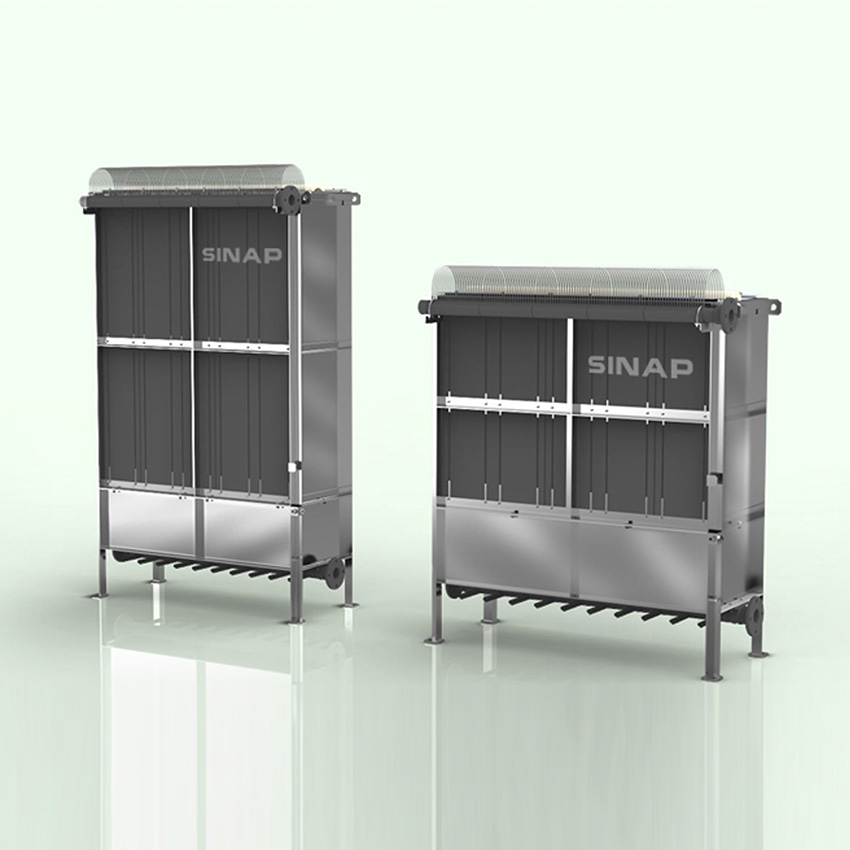
Selecting the correct material is just as important as choosing the pore size. The material matrix and overall porosity dictate system longevity. Polyvinylidene Fluoride (PVDF) allows for a highly uniform, asymmetrical pore distribution. Top-tier manufacturers typically optimize this matrix right around 0.1 µm. This specific optimization provides the perfect balance of flux and rejection. The asymmetrical design means pores are tight on the surface but open up beneath. This prevents debris from getting trapped midway through the membrane.
Chemical tolerance sets a PVDF flat sheet membrane apart from older technologies. Smaller pores require extremely disciplined cleaning regimens. You must use aggressive oxidants like sodium hypochlorite (NaOCl). You also need strong acids like citric acid to dissolve inorganic scale. Standard polymeric alternatives degrade rapidly under these harsh chemical conditions. Materials like PES or PP become brittle. They lose their nominal pore size over time. PVDF maintains its structural integrity flawlessly. It survives repeated chemical exposure over many years. Your filtration consistency remains entirely stable throughout its life.
Mechanical durability represents another critical factor. Advanced production methods integrate PVDF with robust non-woven backing materials. This structural reinforcement prevents pore deformation. Wastewater environments create high-stress operating conditions. Heavy aeration and continuous flow exert immense physical pressure. The non-woven backing ensures the membrane retains its exact 0.1 µm rating. It resists stretching or tearing under hydraulic shock. It guarantees long-term compliance and peace of mind for facility operators. You will experience fewer membrane breaches and unexpected maintenance events.
Choosing the right flat sheet MBR membrane requires a highly structured engineering approach. You must systematically evaluate multiple operational variables before finalizing procurement. Guesswork leads to expensive retrofits. We recommend following a strict four-step decision framework to ensure success.
First, you must deeply assess your influent characteristics. High Mixed Liquor Suspended Solids (MLSS) concentrations dictate specific requirements. When MLSS reaches 8,000 to 12,000 mg/L, you must prefer a ~0.1 µm pore size. This tight specification actively prevents solid penetration. You must also identify specific industrial contaminants. The presence of free oils or heavy metals requires tighter filtration controls. A common mistake is underestimating the peak MLSS loads during seasonal shifts. Always design for peak stress.
Second, evaluate your exact effluent goals. Are you planning direct environmental discharge? Do you need high-grade water reclamation? Will this serve as critical pre-RO filtration? Tighter pores strongly support reclamation and RO protection. They eliminate the suspended solids that destroy sensitive downstream equipment. If regulatory frameworks tighten in the future, a 0.1 µm setup keeps you compliant without upgrades.
Third, conduct a comprehensive Lifecycle Cost Analysis (CAPEX vs. OPEX). Smaller pores may require more overall membrane area. You need this extra area to achieve your total system flow targets safely. This increases your initial capital expenditure (CAPEX). However, smaller pores yield much lower chemical cleaning costs. They also offer a significantly longer operational lifespan. This drastically lowers your operating expenses (OPEX) over a ten-year horizon. Savvy engineers focus on the long-term OPEX savings rather than just the initial sticker price.
Finally, plan your integration with existing MBR membrane elements. Consider physical compatibility when retrofitting older biological treatment trains. You need seamless module integration to avoid costly piping modifications. Ensure the new elements fit the existing aeration grids perfectly.
Core Evaluation Steps for Procurement
Assess influent characteristics, paying close attention to peak MLSS levels.
Define regulatory effluent goals and downstream equipment protection needs.
Analyze CAPEX versus OPEX trade-offs over a ten-year operational horizon.
Verify physical and hydraulic compatibility with existing biological tanks.
We must firmly dispel the industry myth of "fouling-free" operations. You must acknowledge that all flat sheet systems will foul eventually. Your operational success lies entirely in proactive fouling management. Do not look for magic solutions. Look for manageable solutions based on solid engineering principles.
Pore constriction occurs naturally and progressively over time. Extracellular polymeric substances (EPS) act like biological glue. The biomass secretes these substances constantly. Inorganic scaling from calcium and magnesium also hardens inside the system. These elements gradually reduce your effective pore size. This inevitable process is why baseline TMP monitoring remains absolutely non-negotiable. If you ignore early TMP trends, your system will experience a catastrophic pressure spike. You must record baseline data on day one.
You can deploy highly effective mitigation tactics to control this risk. These best practices keep your system running smoothly.
Optimize your cross-flow velocity and aeration intensity to continuously scour the membrane surface.
Adhere strictly to programmed relaxation cycles (e.g., operating for 8 minutes, pausing for 2 minutes) to relieve immediate pore tension.
Implement routine maintenance cleaning (MC) protocols long before severe TMP spikes actually occur.
Consistent maintenance extends the operational life of your assets. It keeps your hydraulic flux rates stable and highly predictable. You reduce emergency downtime and keep your facility fully compliant. Never skip a scheduled chemical wash just because the TMP looks acceptable. Preventative care is the only reliable strategy for membrane longevity.
For the vast majority of modern MBR applications, a nominal pore size of 0.1 µm strikes the most reliable balance. It sits perfectly in the Ultrafiltration range. This specific size guarantees excellent effluent purity while keeping surface fouling highly manageable. It protects your downstream equipment and ensures total regulatory compliance even as standards evolve.
We advise facility operators and engineers to take immediate, practical next steps. You should conduct on-site pilot testing before authorizing full-scale procurement. Request empirical flux data from manufacturers based on your exact wastewater composition. Build a robust baseline for your TMP and chemical cleaning schedule early on. Always prioritize chemically resilient materials like PVDF to withstand long-term operational stress. By adhering to these principles, you secure a highly efficient, long-lasting wastewater treatment solution.
A: Pore size is typically characterized using the bubble point method or liquid-liquid porometry. This specialized testing measures the exact pressure required to force a fluid through the membrane. It ensures highly uniform pore distribution and reliable long-term filtration performance.
A: Not necessarily. While a flat sheet UF membrane operates at a slightly lower design flux than MF, it handles higher MLSS concentrations efficiently. This capability often allows you to design a much more compact biological tank. This effectively balances the overall system footprint.
A: Yes. Irreversible scaling from calcium or magnesium can permanently constrict your effective pore size. Inadequate cleaning also accelerates this reduction in permeability. Conversely, extreme chemical degradation can permanently damage the physical membrane structure. This degradation enlarges pores and directly compromises your effluent quality.


